

Quick answer
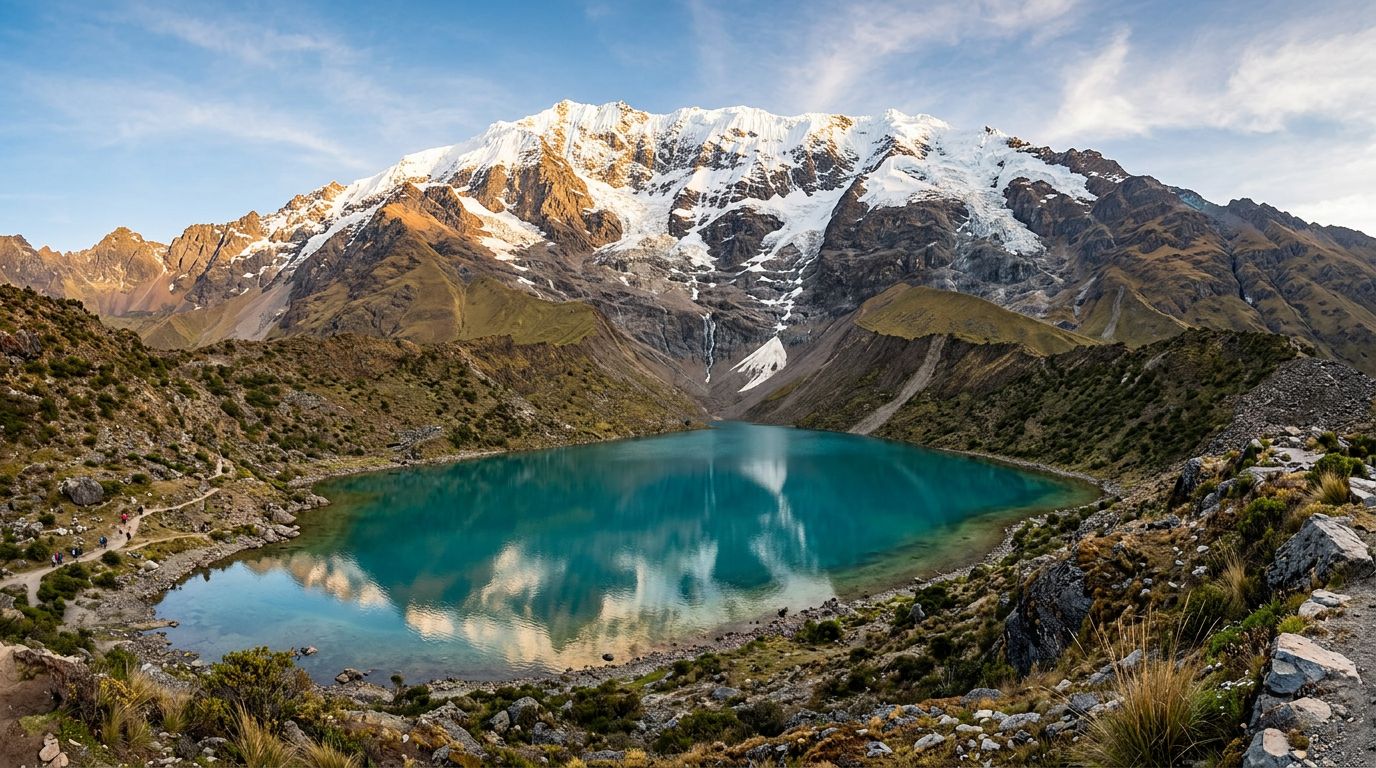
Laguna Humantay altitude reaches 4,200 meters (13,779 feet) above sea level. The trailhead at Soraypampa sits at 3,900 meters, meaning hikers ascend an additional 300 vertical meters during the trek. Most visitors coming from Cusco at 3,400 meters will feel the effects of reduced oxygen, particularly during the steep final approach to the lakeshore.
The turquoise intensity of Humantay's water is a direct consequence of its elevation. Glacial melt from Humantay Mountain carries fine mineral sediment that refracts light at this altitude, creating the lake's signature color. The same elevation that produces this visual effect also reduces atmospheric oxygen by roughly 40 percent compared to sea level, a factor every visitor must account for. The laguna humantay altitude makes acclimatization non-negotiable. Medical recommendations call for at least two full days in Cusco or the Sacred Valley before attempting the trek. Visitors who arrive in Cusco and drive directly to Soraypampa within 24 hours face significantly higher risk of acute mountain sickness. Symptoms include headache, nausea, and severe fatigue that can turn a manageable hike into a dangerous situation. The elevation gain from the trailhead compounds the challenge: the final 300-meter ascent follows a steep, rocky path with minimal shade and no gradual warm-up. Physiological effects manifest differently at high altitude. Heart rate increases, breathing becomes labored during exertion, and even well-conditioned athletes find their pace reduced by half. The trek typically takes 60 to 90 minutes uphill and 45 to 60 minutes on descent, but these times assume proper acclimatization. Unacclimatized hikers may require twice as long and frequent rest stops. Altitude also suppresses appetite and accelerates dehydration, making hydration discipline critical throughout the day. Practical preparation begins in Cusco. Spend your acclimatization days between 3,000 and 3,600 meters, walking gradually longer distances each day. Avoid alcohol, which worsens dehydration and impairs acclimatization. Coca tea and coca leaves, traditional Andean remedies, provide modest relief but do not replace gradual altitude adjustment. Prescription medications like acetazolamide can aid acclimatization when taken under medical guidance, typically starting two days before ascent. On the trail itself, pace matters more than fitness: slow, steady movement with controlled breathing allows your body to process limited oxygen efficiently. The laguna humantay altitude guide is ultimately about respecting physiology over ambition.
“The same elevation that produces Humantay's striking color also reduces atmospheric oxygen by roughly 40 percent compared to sea level.”
Understanding the Laguna Humantay Altitude and Environment
The trek to Laguna Humantay reaches a significant elevation that requires proper planning for physiological adjustment. Understanding the altitude profile is essential for a comfortable and safe experience in the Peruvian Andes.
Laguna Humantay is situated at an elevation of approximately 4,200 meters (13,779 feet) above sea level.
Trailhead elevation
The trek typically begins at the Soraypampa base camp, which sits at an elevation of approximately 3,900 meters (12,795 feet).
Total ascent during hike
Hikers typically gain about 300 meters (984 feet) of elevation over the course of the 4.5 km round-trip trail.
Lower atmospheric pressure
At this altitude, reduced air pressure leads to lower partial pressure of oxygen, which can cause shortness of breath even during light physical exertion.
Acclimatization recommendations
Experts generally advise spending at least 48 hours in Cusco to acclimatize before attempting this hike to minimize the risk of altitude-related symptoms.
Physiological impact of hypoxia
The body may experience increased heart and respiratory rates as it attempts to compensate for reduced oxygen availability at these elevations.
Monitoring potential symptoms
Travelers should be aware of symptoms like headaches or dizziness and should consider descending if they experience signs of severe altitude sickness.
Nearby mountain peaks
How to Reach the Laguna Humantay Altitude Trailhead
The trailhead for Laguna Humantay is located in Soraypampa, within the Mollepata District of the Anta Province. Travelers typically depart from Cusco and travel by road toward Mollepata before continuing to the base camp.
Route 3S from Cusco toward Mollepata followed by unpaved mountain access road to Soraypampa
Public transport from Cusco to Mollepata followed by private taxi to Soraypampa
Ascent from Soraypampa trailhead to Laguna Humantay
Official Laguna Humantay Altitude Trailhead Access Hours
Humantay Lake is open to visitors daily, maintaining consistent operating hours throughout the week.
| Monday | 05:00–17:00 | |
|---|---|---|
| Tuesday | 05:00–17:00 | |
| Wednesday | 05:00–17:00 | |
| Thursday | 05:00–17:00 | |
| Friday | 05:00–17:00 | |
| Saturday | 05:00–17:00 | |
| Sunday | 05:00–17:00 |
Essential Preparation for the Laguna Humantay Altitude
Prepare your body and gear for the 4,200-meter elevation to ensure a safe and comfortable trek.
-
Acclimatize in Cusco for 2–3 days — Your body needs time to adjust to reduced oxygen levels before attempting higher elevations.
-
Pack warm layers and waterproof gear — Temperature drops rapidly at altitude, and weather can shift from sun to rain within minutes.
-
Bring coca tea or altitude medication — These help mitigate symptoms like headache, nausea, and dizziness caused by thin air.
-
Carry electrolyte tablets and extra water — Hydration is critical at altitude where dehydration accelerates and intensifies symptoms.
-
Wear broken-in hiking boots with ankle support — The trail includes steep rocky sections where stable footing prevents injury.
-
Apply high-SPF sunscreen and bring sunglasses — UV exposure increases significantly at elevation, even on overcast days.
Check availability
Common questions about laguna humantay altitude and visiting
Everything you need to know about laguna humantay altitude